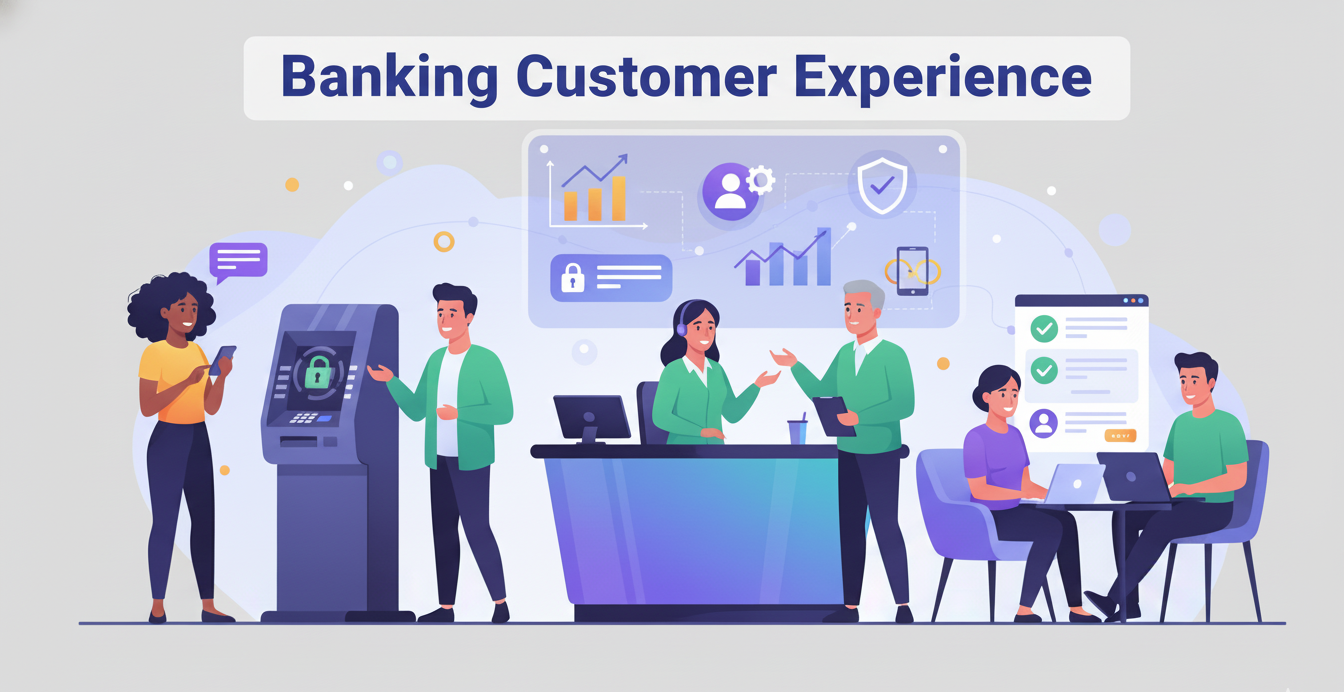
In today’s fast-paced financial world, banking customer experience has become more than just a buzzword. It’s a vital aspect that determines customer loyalty, satisfaction, and even the long-term success of financial institutions. With digital transformation and rising customer expectations, banks are now shifting focus from simply offering services to delivering personalized and seamless experiences.
What Is Banking Customer Experience?
Banking customer experience (CX) refers to the overall perception a customer has of a bank based on their interactions with the bank’s services, products, staff, and digital platforms. It’s the culmination of every touchpoint a customer encounters—from visiting a branch, using mobile banking apps, contacting customer support, to receiving financial advice.
Unlike traditional banking that prioritized transactions, modern banking emphasizes relationships. A strong CX strategy ensures customers feel valued, understood, and supported at every stage of their financial journey.
Why Banking Customer Experience Matters
Customer experience is no longer optional for banks. Here’s why it matters:
-
Customer Loyalty: A positive banking CX builds trust and long-term relationships, making customers less likely to switch banks.
-
Competitive Advantage: Banks offering superior experiences can differentiate themselves in a saturated market.
-
Revenue Growth: Happy customers are more likely to use multiple services and products, increasing the bank’s revenue per customer.
-
Reduced Complaints: Improved CX lowers frustration and complaint rates, saving operational costs.
-
Brand Reputation: A seamless and personalized experience strengthens a bank’s brand image.
In short, banks that invest in customer experience see measurable returns, both in revenue and customer satisfaction.
Key Elements of a Great Banking Customer Experience
Delivering an excellent banking customer experience involves multiple factors. Here are the key elements:
1. Personalized Services
Customers expect banks to understand their individual needs. Personalization includes:

-
Tailored financial advice
-
Customized offers and rewards
-
AI-driven product recommendations
2. Omnichannel Accessibility
Customers interact with banks through various channels—branches, ATMs, mobile apps, websites, and social media. Providing a seamless experience across all channels is crucial. Features like synchronized account data and consistent messaging improve customer convenience.
3. Efficient Digital Platforms
Digital banking is now a cornerstone of CX. Mobile apps, online banking portals, and AI chatbots enhance convenience, allowing customers to perform tasks like:
-
Transferring funds
-
Checking balances
-
Applying for loans
-
Resolving queries instantly
4. Responsive Customer Support
Prompt and empathetic support plays a significant role in shaping experiences. Banks must ensure:
-
Multiple support channels (phone, chat, email)

-
Quick resolution times
-
Trained staff who understand customer needs
5. Transparency and Security
Trust is foundational in banking. Clear communication about fees, interest rates, and product terms, combined with robust security measures, helps maintain confidence.
Strategies to Improve Banking Customer Experience
Banks can adopt several strategies to enhance customer experience effectively:
1. Leverage Data Analytics
Using customer data enables banks to understand preferences, predict behaviors, and offer relevant products. Personalized dashboards, financial insights, and predictive offers make customers feel valued.
2. Implement AI and Automation
AI-driven tools such as chatbots, voice assistants, and automated loan approvals save time and reduce friction. Automation also ensures faster service and fewer errors.
3. Employee Training and Engagement
Employees are the frontline of CX. Training staff to provide empathetic, solution-oriented service significantly boosts customer satisfaction. Engaged employees naturally deliver better interactions.
4. Regular Feedback Loops
Banks must actively seek customer feedback through surveys, social media monitoring, and review platforms. Acting on feedback demonstrates commitment to improvement and strengthens relationships.
5. Seamless Omnichannel Experience
Integration across digital and physical channels ensures customers enjoy consistent experiences. For example, initiating a loan application online and completing it in a branch should be smooth and hassle-free.
Common Challenges in Delivering Exceptional Banking Customer Experience
While the benefits are clear, banks often face challenges when improving CX:
-
Legacy Systems: Outdated technology can slow down processes and limit personalization.

-
Regulatory Compliance: Adhering to banking regulations while delivering flexible experiences requires careful planning.
-
Customer Expectations: Rapidly changing expectations, especially in the digital era, can be hard to meet.
-
Security Concerns: Balancing convenience with cybersecurity is a constant challenge.
-
Employee Adaptation: Staff may resist new systems or technologies, affecting service quality.
Addressing these challenges is essential for banks to remain competitive in the evolving financial landscape.
The Role of Technology in Banking Customer Experience
Technology is transforming the way banks interact with their customers. Key technological innovations include:
1. Mobile Banking Apps
Mobile apps allow customers to access banking services anytime, anywhere. Features like instant notifications, biometric authentication, and budgeting tools improve convenience and engagement.
2. AI-Powered Chatbots
Chatbots provide 24/7 support, handle repetitive queries, and guide customers through complex processes, reducing wait times and operational costs.
3. Personal Finance Management Tools
Digital platforms offering personalized budgeting, spending insights, and financial recommendations help customers make informed decisions, enhancing satisfaction.
4. Data-Driven Personalization
Big data and analytics allow banks to predict customer needs, suggest tailored products, and deliver timely offers, increasing loyalty and engagement.
5. Blockchain and Security Enhancements
Blockchain technology ensures secure transactions, while encryption and fraud detection tools protect customer information, building trust and confidence.

Examples of Banks Excelling in Customer Experience
Several banks worldwide are leading the way in banking customer experience:
-
Chase Bank: Offers seamless digital services and personalized financial insights through its mobile app.
-
HSBC: Focuses on global accessibility and responsive customer service.
-
DBS Bank (Singapore): Known for its digital-first approach and AI-driven personalized banking.
-
American Express: Provides exceptional customer service and loyalty programs, ensuring consistent satisfaction.
These examples show how a customer-centric approach can strengthen brand loyalty and increase market share.
Measuring Banking Customer Experience
To ensure improvements, banks must measure CX effectively. Common metrics include:
-
Net Promoter Score (NPS): Measures customer likelihood to recommend the bank.
-
Customer Satisfaction Score (CSAT): Evaluates satisfaction with specific interactions.
-
Customer Effort Score (CES): Assesses the ease of completing transactions.
-
Churn Rate: Tracks customer retention and switching behavior.

-
Digital Engagement Metrics: Monitors app usage, website visits, and online interactions.
Regularly analyzing these metrics helps banks identify areas for improvement and fine-tune their strategies.
Future Trends in Banking Customer Experience
The future of banking customer experience is promising, driven by technological innovation and evolving customer expectations. Key trends include:
-
Hyper-Personalization: Tailoring experiences at an individual level using AI and machine learning.
-
Voice Banking: Using voice assistants for transactions, balance checks, and financial advice.
-
Integrated Financial Ecosystems: Banks collaborating with fintechs to offer holistic financial solutions.
-
Sustainable Banking: Increasing focus on eco-friendly banking products and socially responsible initiatives.
-
Enhanced Cybersecurity Measures: Implementing advanced security to maintain trust in digital banking.
These trends indicate that banks must continuously innovate to remain relevant and provide exceptional CX.
Conclusion
Delivering a remarkable banking customer experience is no longer optional—it’s a strategic imperative. From personalized services and seamless digital platforms to responsive support and security, every interaction shapes customer perception and loyalty.
Banks that embrace technology, listen to customer feedback, and foster a culture of empathy and efficiency will thrive in a competitive landscape. By focusing on CX, financial institutions not only retain customers but also drive growth, enhance brand reputation, and ensure long-term success.
Investing in banking customer experience today is an investment in the future of your bank—one that promises higher satisfaction, stronger loyalty, and measurable business success.